

Reuniting for the Stanislaus
We have come together to restore a magnificent river that never should have been harmed and to leverage its story to prevent similar disasters.
In 2025, we're engaging with partners and taking the necessary steps to ensure permanent restoration of the Stanislaus.
We began in 2022, 40 years after our beloved river was lost behind a boondoggle dam. Though we witnessed its demise, we trust in nature to rebound. First, we must prevent its further harm.
We welcome all to join us. If you were with us during the campaign, please know that we share your heartbreak and do not take this effort lightly. If you just learned about the Stanislaus, jump in and help if you can.
Come join us on this wild ride.
News
A Successful Day on the River
On April 18, 2026, Restoring the Stanslaus (RSR), Friends of the River (FOR), Columbia College ecology clubs and the US Fish and Wildlife Service (USFWS) collaborated to take over 40 people on the river to learn about salmon restoration efforts. The trip was free and RSR provided the lunch.
As we floated down the river, boats that had one of the five USFWS employees talked about restoration efforts on the river and why they are important. Boaters saw a lot of wildlife such as turtles, many different kinds of birds, and fish. Fig trees, cottonwoods, oaks, and many other kinds of trees lined the banks.
We stopped for lunch at a side channel that had been specifically created for salmon by Cramer Fish Sciences under contract from the USFWS. Jesse Anderson from Cramer Fish Sciences was there with displays about the project and talked with our passengers about it as the guides put lunch together. First passengers snacked at the snack table but once lunch was ready we yelled "Lunch!" and guided everyone into two lines for constructing their sandwich. Soon dessert took over the snack table.
After resting a short while to aid digestion, we climbed back into the boats and continued on downstream. Before long we sighted the bridge that marked our take-out spot on Highway 120, and we pulled in to an eddy under the bridge. Passengers helped the guides to carry up all the gear and boats, and we ended with a circle where everyone shared one thing they liked about the day.
We were lucky that the weather completely cooperated and was a glorious, sunny day but without too much heat. This has become an annual event, so if you're interested in going next year, reach out to us.
Search
Signup for the Newsletter
Keep up to date with the restoration project organization and upcoming events
Background
Though the campaign to save the Stanislaus River from drowning behind the New Melones Dam was not successful, it helped to end the big-dam-building era and energize the nascent environmental movement. The campaign was driven by tens of thousands of volunteers between 1969 and 1982. Hundreds of thousands signed petitions, wrote letters, and phoned decision makers to protect the river. Even so, in 1982, the dam was completed and the reservoir filled for the first time, destroying all life within the river corridor. Many of these activists have since used their experience during the campaign to cause significant change around the world.
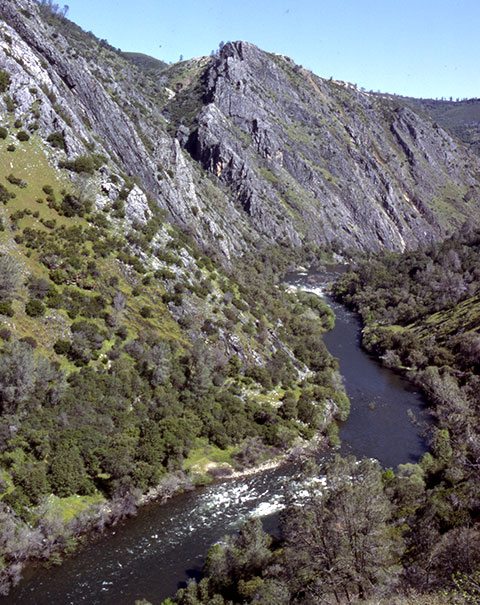
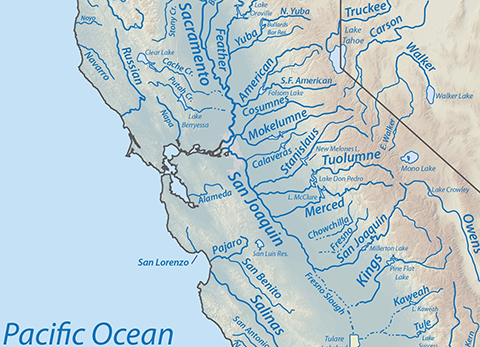
The Stanislaus flows west out of the Sierra Nevada Mountains in California about thirty miles north of Yosemite Valley, cutting through a thick limestone formation. The thirteen-mile stretch devastated by the New Melones Dam was one of the most popular whitewater runs in the country, flowing through the deepest limestone canyon in the western United States. In these thirteen miles, visitors could find pre-Miwok petroglyphs, multitudes of Miwok sites, and gold-rush artifacts. They could explore caves and frolic in the pools of side creeks. This vivid connection to nature and the miracle of the canyon’s treasures was made all the more poignant as the dam’s pending desecration loomed.
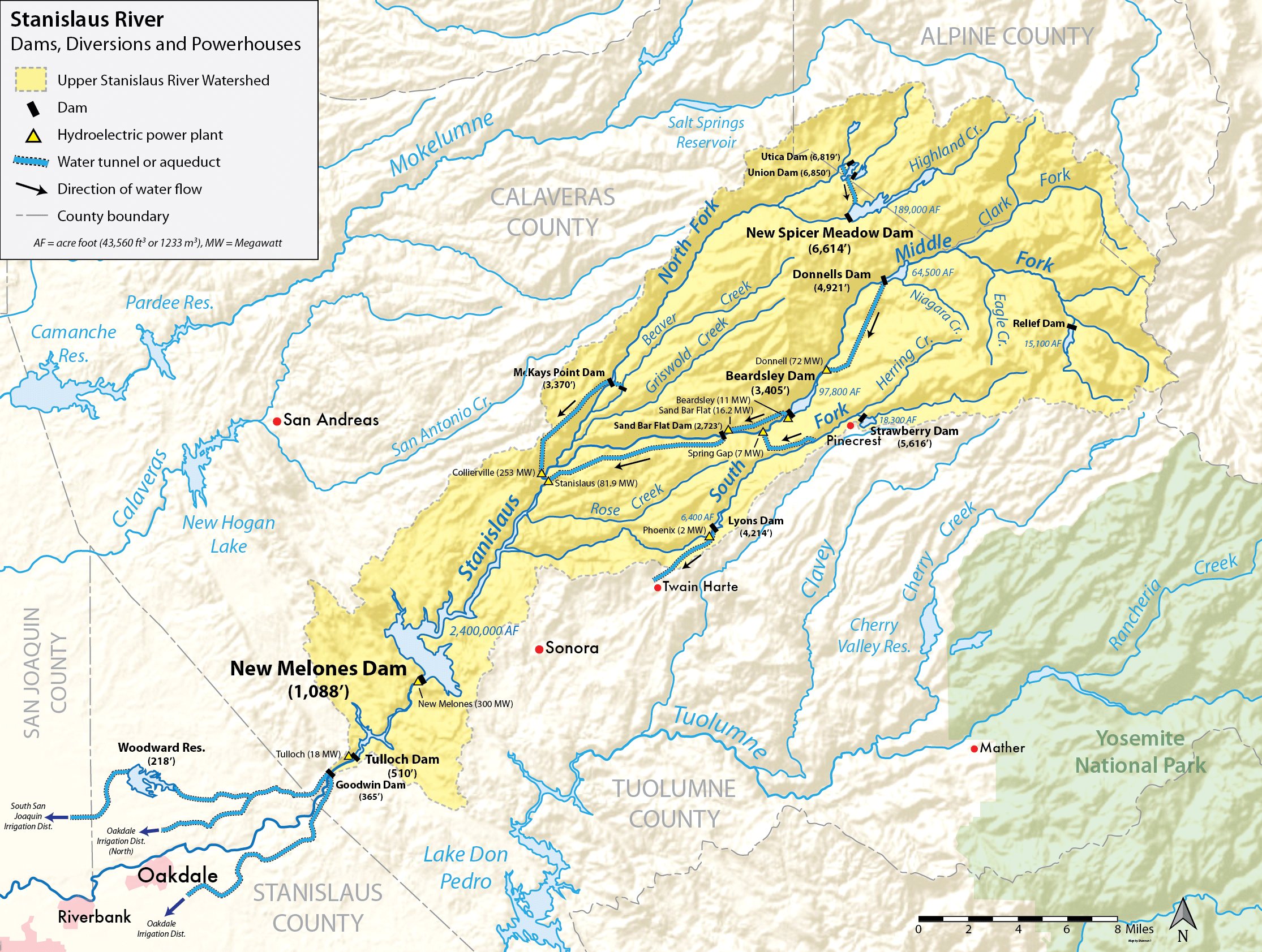
On its way to join the San Joaquin River, the Stanislaus River passes through more than fourteen dams that syphon its water. The New Melones Dam is the fourteenth and by far the largest. After nearly forty years, the dam has not fulfilled the benefits promised by its backers. The dam has only been filled to capacity five times, generally sitting below halfway and is often referred to as an example of fraudulent pork-barrel spending. In 1994, the dam operators admitted its failure in this report.
Read this in-depth study of how badly the New Melones dam has failed
Find a treasure trove of photos and archived materials from the campaign at
Central California Rivers
Connect With Us
Subscribe to our newsletter and follow us on Facebook to recieve the latest information